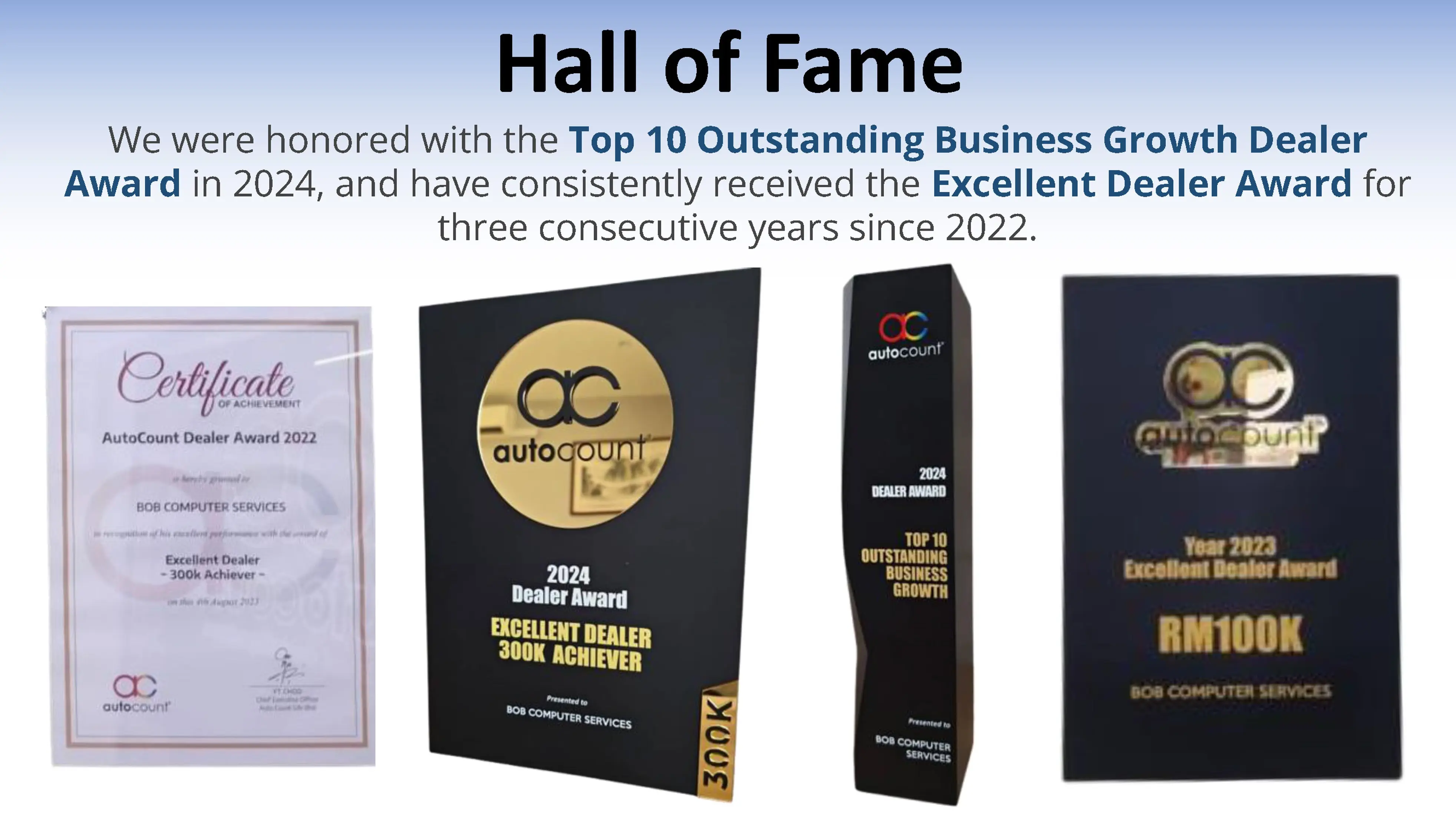
Five Years of Recognition, Made Possible by Your Support
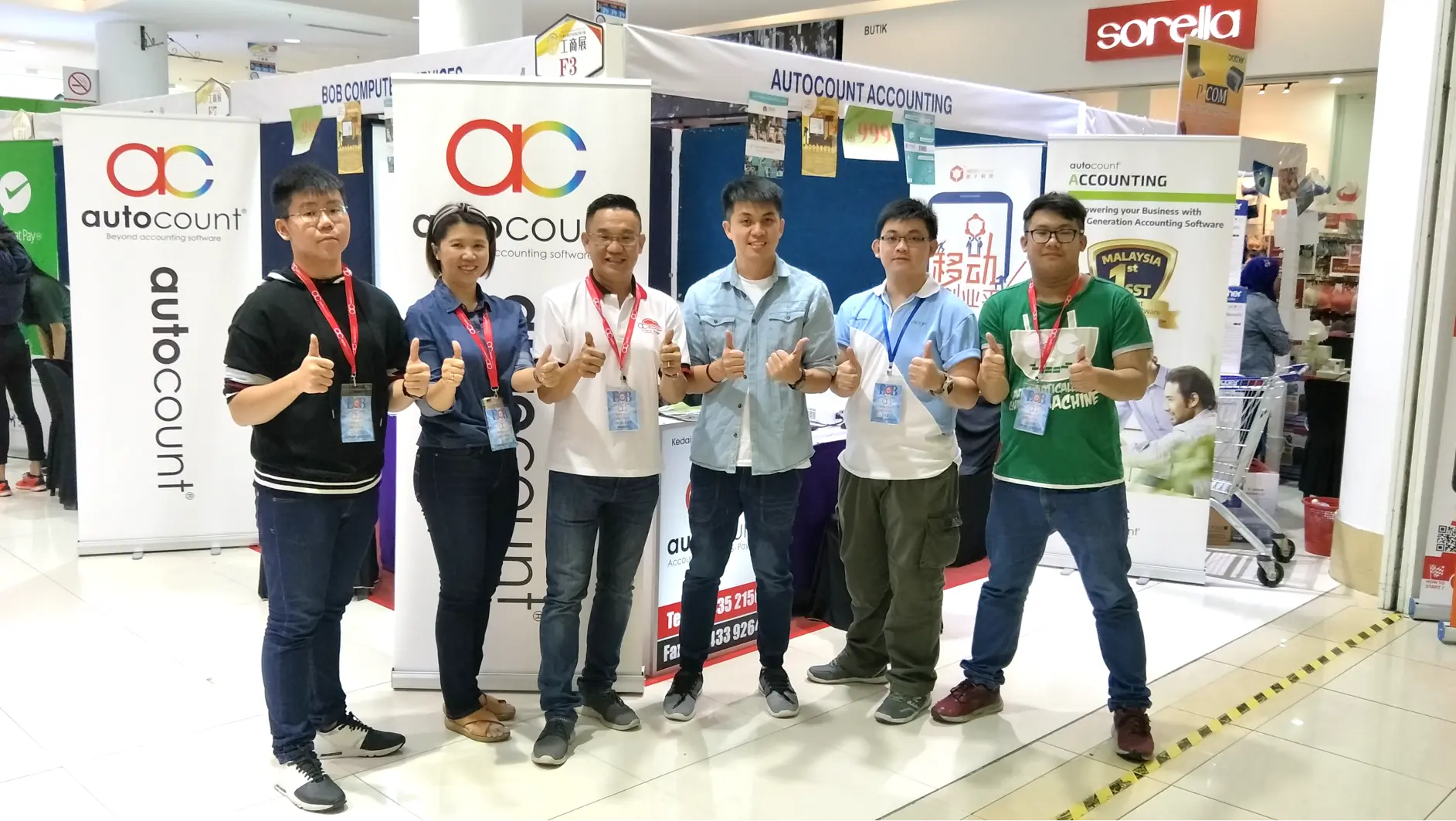
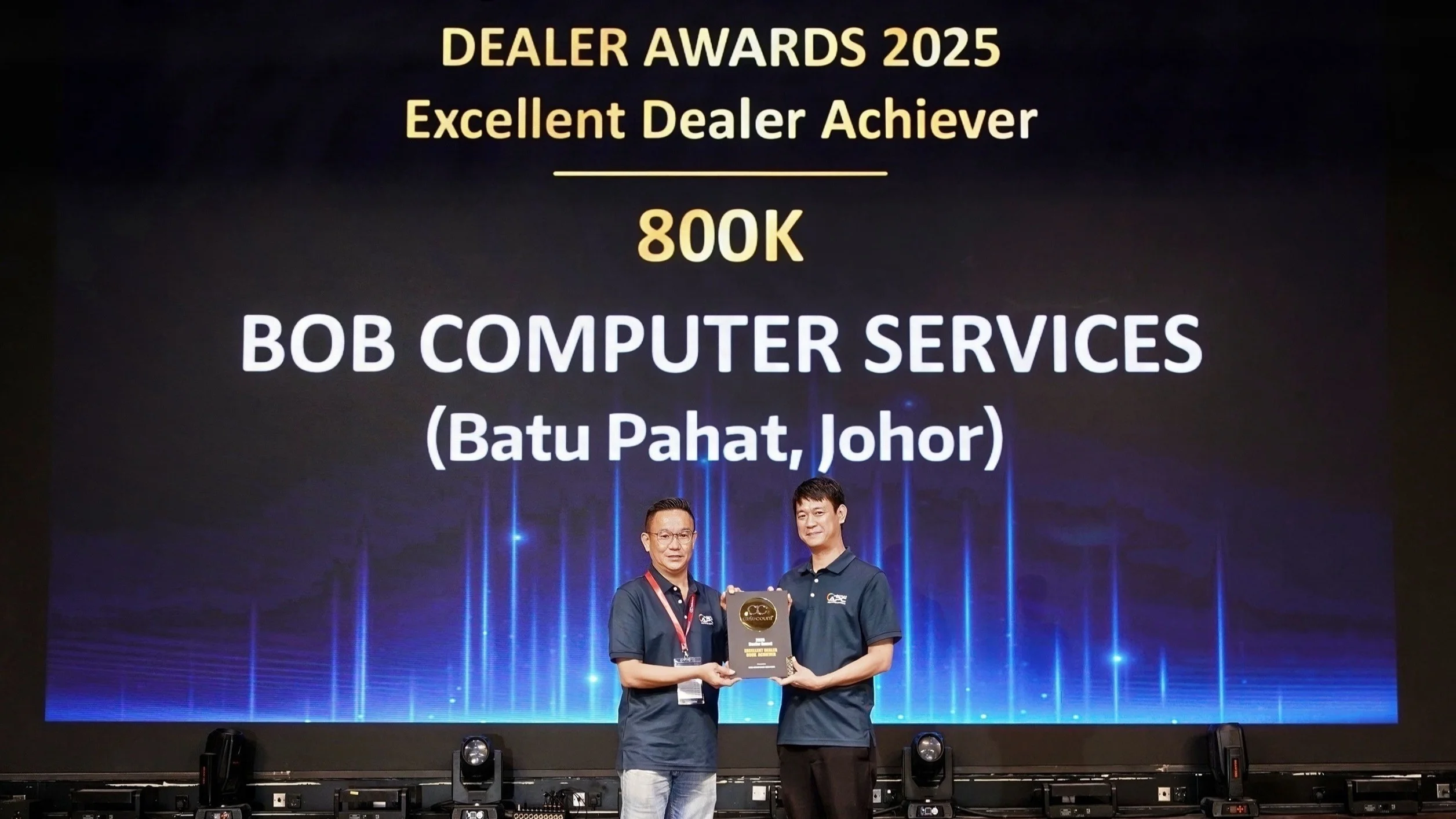
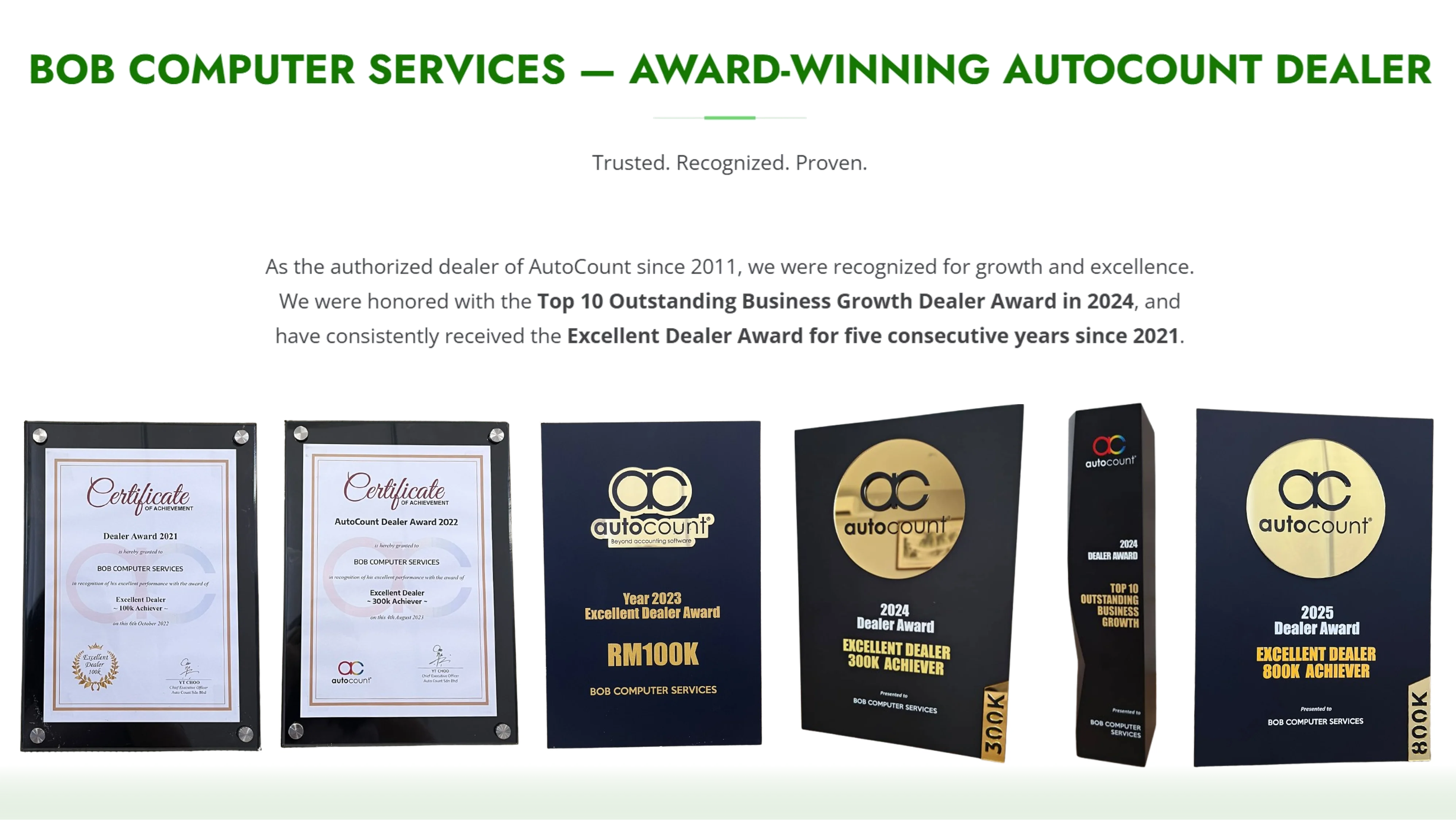
All the dedication, hard work, and commitment to serving our customers over the years have truly been worthwhile. This marks the fifth consecutive year since 2021 that our company has been recognized by AutoCount with the Excellent Dealer Award. This achievement is not just an award. It is a recognition of the dedication and consistent efforts of every member of our team. Most importantly, it would not have been possible without the continuous trust, support, and encouragement from our valued customers. Your support motivates us to keep improving and striving for excellence. We will continue to do our very best to provide professional and reliable service, and we sincerely hope to continue growing together with your support in the years ahead.
不枉我们团队多年来认真经营、用心服务顾客。 这是我们公司自 2021 年以来,连续第 5 年获得 AutoCount 的认可,并荣获 Excellent Dealer Award。 这份成绩,不只是一个奖项,更是对团队每一位成员长期努力与勤恳服务的肯定。同时,我们也衷心感谢一路以来给予我们支持、信任与陪伴的客户们。 因为有你们的支持,我们才能不断成长、持续进步。未来,我们会继续努力,为客户提供更专业、更可靠的服务。也希望大家继续陪伴与支持我们,一起迈向更好的未来。